Asset Management for NYC Buildings
For owners and long-hold tenants, Nomad manages assets with an operator’s discipline: leasing strategy, capital planning, vendor management and reporting that reads like a business, because a building is one.
Updated 2026-09-30 · Operating buildings like an owner · Nomad Group

What does asset management include?
Four things, run with an operator's discipline. Leasing strategy: pricing, positioning and tenant targeting grounded in what's actually moving in the market. Capital planning: which improvements earn their cost back in rent and occupancy, and which don't. Vendor management: cleaning, maintenance and building services held to standards, with our in-house operations covering much of the work directly. And reporting that reads like a business, because a building is one, occupancy, income, costs and pipeline in a form an owner can act on.
Who is this for?
Building owners who want their asset run commercially rather than passively, and long-hold tenants with large footprints who need their space managed with the same discipline. In both cases the value is the same: decisions made on data, work done by people who also build and operate offices every week, and one accountable partner instead of a chain of vendors.
Does landlord work conflict with your tenant-side brokerage?
No, and the separation is structural. Asset management is its own practice with its own engagements. Our brokerage represents tenants only, and we never represent the landlord in a transaction where we represent the tenant, on your deal, we sit on one side of the table, full stop. Owning both practices makes us better at each: managing buildings teaches us what landlords can actually concede, and representing tenants teaches us what buildings need to offer.
How do you reduce vacancy?
Because vacancy is a pricing and product problem, not a marketing one. We use real market data to price floors where they actually move, position the product for the tenants most likely to take it, and fix the things, condition, floorplan, services, that quietly extend vacancy. A building competing on evidence fills faster than one competing on hope.
The team
The people you'll actually deal with
Tenant-side brokers, builders and operators, 300+ New York offices delivered between them.
Meet the whole team → William Janetschek
 Matthew DeRose
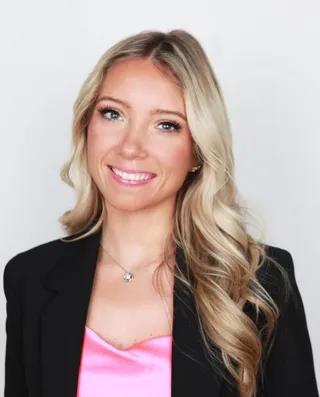 Megan Gallagher
 Nicholas Hein
 Adam Justin
 David Greene
Talk to a broker
Talk to the team that does this
Two taps and an email. The person who replies is the one who would actually run your work.
- Same daya broker replies personally, no automated triage
- Tenant-onlyNomad never represents the landlord
- Open pricingrent and size published before you talk to anyone
- 300+ officesdelivered across 2M+ sq ft in New York
Or call 646-688-3158