Office Space $75 to $100 per Sq Ft in Midtown
There is 1 office space available in Midtown priced $75 to $100 per square foot per year, at 13,266 square feet, about 76 desks. All are represented by Nomad Group on a tenant-only basis, with pricing published openly.
Updated 2026-10-01 · 1 available · $75 to $100/sq ft · Nomad Group
Every figure comes from our own availability today: one Midtown floor inside the band, four in the submarket, a $79 Midtown median against the $75 median across our New York book. Asking rents move and floors let. Condition, measurement, electric and buildout funding are settled on the tour and in the lease.
What this band buys in Midtown right now
Four floors sit on our Midtown book and one prices inside $75 to $100 per square foot per year, so this is a page about a single floor.
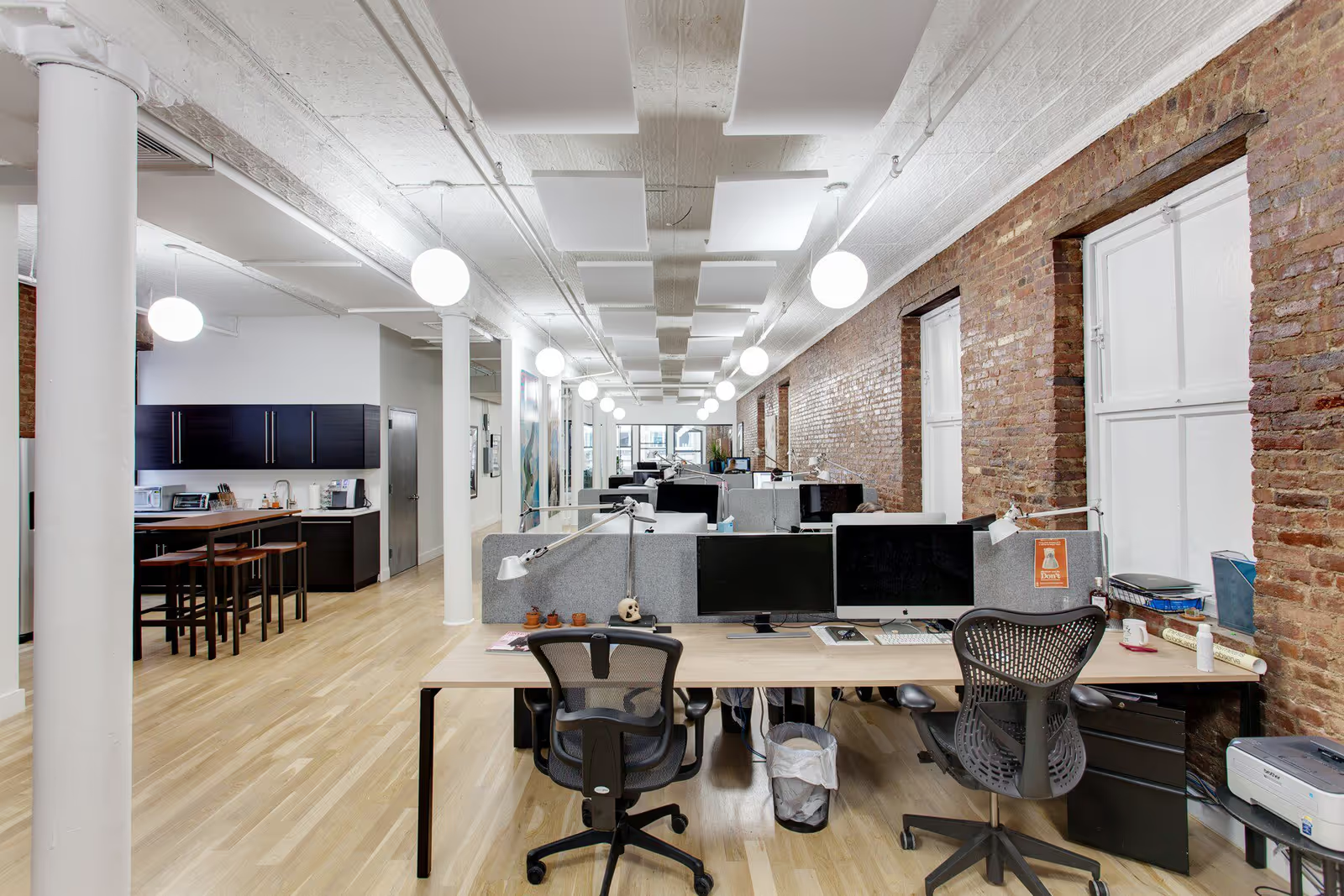
- 1700 Broadway, entire 26th floor: 13,266 square feet at $79 per square foot per year, about $87,335 a month, roughly 76 desks at 175 square feet a person, offered furnished and photographed on the listing page.
The plate comes whole, and the seat count flexes with the plan: about 95 in a tight open layout, nearer 59 with private offices. The owner's side describes the installation as built roughly two years ago, a mix of offices, open area and conference rooms, furnished and in move-in condition, with views toward Central Park and the Hudson. No floor plan is published, and that description is the owner's, so a walk-through and the measured plan settle both.
Outside the band, three floors frame it: 277 Park Avenue's partial 40th at $130 on 19,097 square feet, about $206,884 a month; 520 Madison Avenue's partial 21st at $125 on 7,092 feet, about $73,875 for just over half the area; and 45 West 45th Street's entire 10th, 8,230 feet, priced on request.
The monthly math, worked plainly
New York quotes rent annually per rentable square foot, so a monthly number is one multiplication and one division: 13,266 times $79 is $1,048,014 a year, and divided by twelve, $87,335 a month. Those two steps work on any floor.
On this footprint each dollar of annual asking rent is worth about $1,106 a month. The $4 between $79 and the $75 citywide median is $4,422 a month, and the $21 up to the ceiling of the band is $23,216.
Per seat the arithmetic gets blunter. $87,335 across 76 desks is roughly $1,149 a person a month, about $919 at a denser 95, closer to $1,480 built out for 59. One caution: 13,266 is a rentable figure, and the usable area your furniture stands on is smaller by the building's loss factor.
What the asking rent does not include
Budgets in this band rarely break on the rent. They break on the five costs sitting outside it.
- Electric is seldom inside base rent: the floor is either submetered or charged as an inclusion of roughly $2 to $4 per square foot per year, $2,211 to $4,422 a month here.
- Cleaning is worth reading rather than assuming, since nightly service commonly stops short of pantries, interior glass and rubbish removal.
- Real estate tax escalations run from a base year written into the lease, after which you pay a share of every increase above it. A low base year costs dollars per foot by year three.
- Operating expense escalations arrive as a pass-through over that same base year or as a porter's wage formula, on top of the annual step in base rent, typically 2.5% to 3%.
- Buildout beyond the allowance is the largest of the five. Improvement money is paid against invoices, so anything past it is your cash or gets amortized into rent at interest. A furnished floor shrinks that exposure, which is much of what $79 buys here.
What moves in a negotiation on a floor like this
Face rent moves last, because ownership protects the number it quotes on the next floor in the stack and prefers value that never shows on the rent roll.
- Free rent goes first, since it costs a period of income rather than a permanent markdown. Take it across the opening months.
- An improvement allowance still matters on a furnished floor, because you will change something. Ask for a work letter and progress payments.
- Term is the currency concessions are bought with, so trade the years deliberately and take a renewal option back.
- Escalation caps decide what year seven costs: a stated percentage rather than an index, a ceiling on the operating pass-through, a fully assessed tax base year.
- The good guy guarantee is standard in New York and negotiable in every part, from who signs to the notice you owe before vacating.
Two more belong there because the floor comes furnished: attach the inventory to the lease so what you toured is what conveys, and argue the restoration clause down, since you should not pay to demolish an installation you inherited.
Where this band sits, and who it suits
Our New York book carries a median asking rent of $75 per square foot per year, and this floor asks $79, about 5% above it.
Midtown's own median is also $79, across four floors spanning $65 to $125, so this one asks the submarket median precisely. The middle of the Midtown market sits well above this band, so $75 to $100 buys the cheapest priced floor in the submarket rather than an ordinary one. The premium over the rest of the city pays for the corporate core's large efficient plates and near-universal transit.
The band suits a company of seventy to ninety people that wants everyone on one plate at an address clients recognize, and would rather move onto furniture already standing than spend four months building its own. Below about 13,000 square feet the band holds nothing in Midtown today, so smaller teams look to Bryant Park, Grand Central and Penn Plaza.
What can you get for $75 to $100 per square foot in Midtown?
1 space: 1700 Broadway [Entire 26th Floor] at 13,266 sq ft for $79 per sq ft.
What does that cost per month?
A 13,266 sq ft space at $79 per square foot per year runs about $87,335 per month before electricity and buildout.
Is pricing negotiable?
Asking rent is a starting point. Nomad negotiates free-rent periods, tenant-improvement allowances and escalations on the tenant's side, across 2M+ sq ft leased in New York.
What does asking rent not include?
Electricity (typically metered or charged per square foot), cleaning, and internet are usually on top. Annual escalations of roughly 2.5–3% are standard. Budget total occupancy cost, not the headline rent.
What actually moves in a negotiation inside this band?
Rarely the face rent. Free-rent months, the tenant-improvement allowance, the escalation schedule and the security amount are where deals are won, which is why two leases at the same asking rent can differ meaningfully in real cost.
How do teams get below this band?
Subleases, higher floors in older stock, and spaces that have sat on the market. Each carries a catch, term, condition, or timing, which is exactly the local knowledge a tenant-side broker earns their keep on.
Matching space available now
See all 49 available floors, with rents →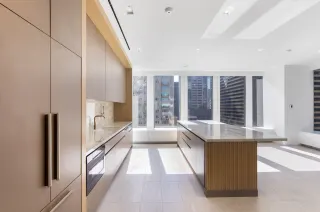
The team
The people you'll actually deal with
Tenant-side brokers, builders and operators, 300+ New York offices delivered between them.
Meet the whole team → William Janetschek
 Matthew DeRose
 Megan Gallagher
 Nicholas Hein
 Adam Justin
 David Greene
Talk to a broker
This is the math. Want it run on your team?
Takes one minute. Team size, timing, budget, a real shortlist back by tomorrow.
- Same daya broker replies personally, no automated triage
- Tenant-onlyNomad never represents the landlord
- Open pricingrent and size published before you talk to anyone
- 300+ officesdelivered across 2M+ sq ft in New York
Or call 646-688-3158