SoHo, NYC: The Neighborhood, From an Office Tenant's Side
SoHo is the only office submarket in New York where the real product is the neighborhood itself. The cast-iron historic district, the largest collection of such architecture anywhere, gives its lofts timber columns, extraordinary ceilings and landmark constraints in equal measure, and street level below them carries the flagship retail that made the name global. Consumer brands, design studios and founder-led companies office here because the address does work no marketing budget can: it tells candidates and clients what kind of company this is before anyone speaks.
Updated 2026-09-30 · The identity purchase: consumer and design brands pay for the neighborhood as part of the product · Nomad Group
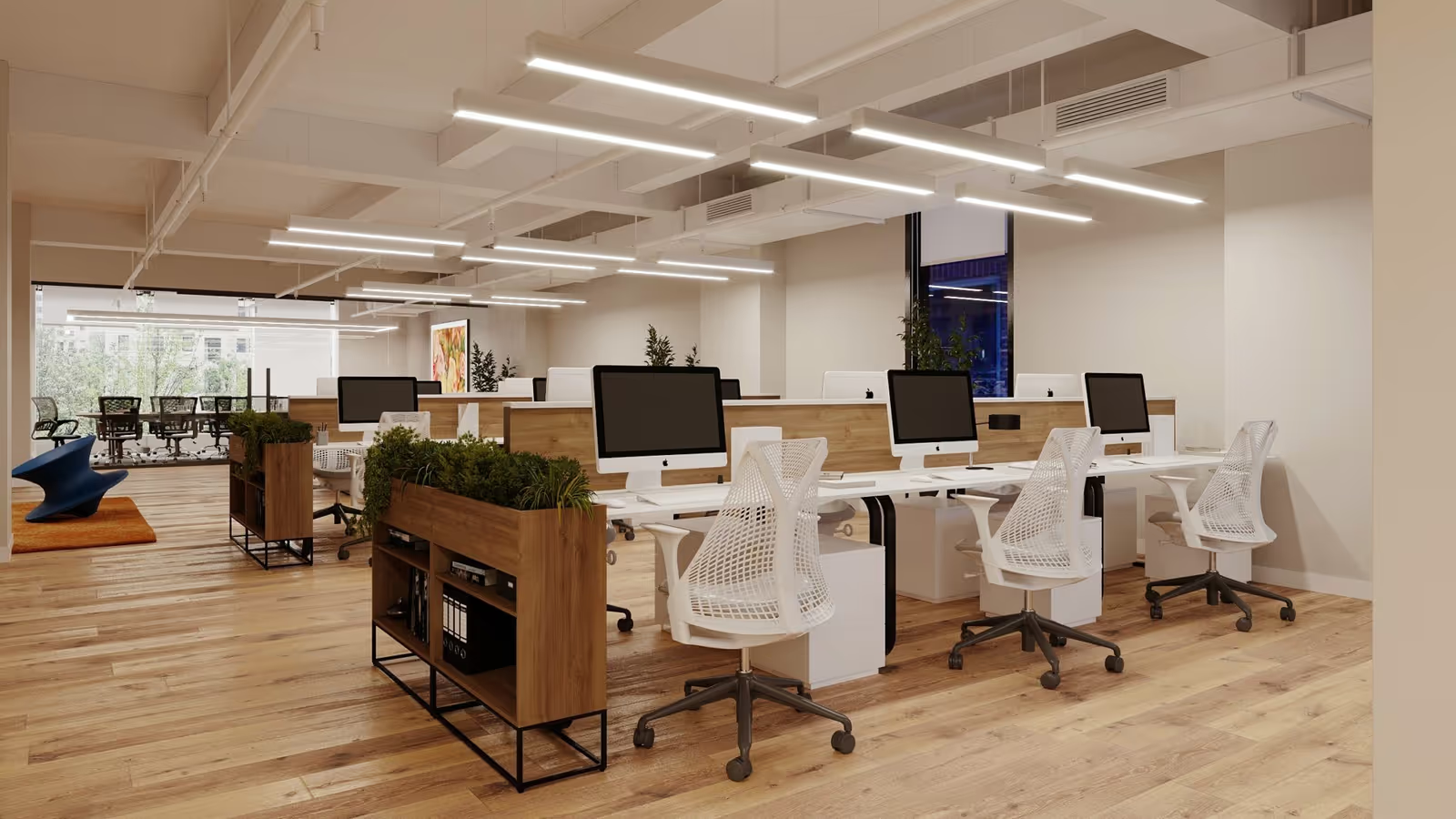
Cast iron, and what it buys you
SoHo's building stock is unlike anywhere else in the city: the world's largest surviving collection of cast-iron architecture, built in the 1870s as showrooms and small factories. Cast iron let builders hang huge windows between thin columns, so a SoHo floor gets light no modern office slab matches, front and back walls that are mostly glass, ceilings of twelve to fourteen feet, plates from about 5,000 to 27,000 square feet.
The identity is the point. Consumer brands, design companies and the media businesses that live on aesthetics pay SoHo's premium because the neighborhood itself is part of their pitch to candidates, investors and press. An office over Greene Street cobblestones says something specific before anyone opens a deck.
The premium, priced honestly
Our SoHo floors ask $68 to $125 per square foot around a median of $98, roughly 31% over the citywide median. For a team of thirty at standard density that premium is about $105,000 a year against the median, and over $200,000 against a value Chelsea floor.
- Current range: $68 to $125 per square foot per year
- Median: $98, the third-highest submarket on our book
- Three floors available now, 4,900 to 27,344 square feet, including One Soho Square
Whether that spend is rational depends on what the brand does for you. A consumer company hiring designers gets recruiting value from the address that engineering-only teams may not. Run it as a marketing line item, not a facilities one, and the decision usually makes itself.
Getting there, honestly
SoHo's transit is better than its boutique reputation suggests: the N/Q/R/W and 6 at Prince and Spring, the A/C/E and 1 on its western edge, the B/D/F/M at Broadway-Lafayette. Midtown is fifteen minutes; Brooklyn's western neighborhoods are direct on four lines.
The weekend crowds are the honest caveat. Broadway and Spring on a Saturday are a retail crush, and staff working weekends will notice. The side streets, Greene, Mercer, Wooster, stay far calmer, which is one reason offices there hold their value.
Who offices here
Fashion and beauty headquarters, consumer technology, design studios, and the New York offices of European brands that want the city's most photographed address. Our own placements here skew consumer and design: teams for whom the office doubles as a showroom, an event space, and a statement of taste.
The neighborhood's daytime economy is built around them, sample rooms, photo studios, galleries, the kind of lunch spots that survive on expense accounts and still earn the queue. For a certain company, no other neighborhood in this corridor makes the same sense.
Running a SoHo search well
Inventory is scarce and lumpy: a handful of floors at any moment, from a 4,900-foot loft to a 27,000-foot plate at One Soho Square. If a floor fits, move quickly, SoHo space does not wait, and the good corners get taken between tours.
Check the building's landmark status early, most of the district is protected, which constrains signage and facade work and can slow a buildout. Factor an extra two to four weeks into permitting against an unprotected building, and get the landlord's alteration history in writing before you commit a schedule to your board.
The floors on the book right now
Seven floors now, and a wider argument than the district has offered in years. 6 Greene Street's entire second floor is the classic cast-iron loft at 4,900 square feet and $78, walkable right now in its 3D scan, cobblestones outside, thirteen-foot ceilings inside. 50 Greene Street's third floor scales the same fabric to 7,300 feet at $98, a mid-sized loft asking a shade over the district's middle, and One Soho Square's partial second floor puts 27,344 feet inside the neighborhood's flagship modern conversion at $68, the big-team play and the value play in one. The newer arrivals raise the ceiling: 110 Greene's furnished fifth floor at $95, exposed brick and Greene Street out the windows; 540 Broadway's plug-and-play second floor at $85 with entrances on both Broadway and Crosby; 60 Charlton's newly built glass-lined sublease at $120; and 520 Broadway's tenth floor at $125, a high-end prebuild with three sides of light delivering Q1 2027.
Between them they cover 28 to 156 desks, which for SoHo is unusual depth: most seasons the neighborhood offers a fraction of this choice, and the scarcity is structural, nobody is building more cast iron.
How deals here tend to trade
SoHo landlords know what they hold, and the negotiation reflects it: face rents defend hard, and flexibility lives in term structure and timing rather than price. The compensating force is vacancy cost, a distinctive floor sitting empty photographs badly for everyone, so motivated moments do arrive, and moving decisively inside them is most of the game.
Landmark rules shape the paperwork here more than anywhere on our book: signage rights, facade work and even blade signs need language in the lease, and buildout schedules should carry the two-to-four-week approvals buffer from day one. We price both into any SoHo proposal before it reaches your board.
Is SoHo your neighborhood? The honest test
Strip the romance and the test has three questions. Does your company monetise beauty, in hiring designers, hosting press, or selling to consumers who visit? Does the eighteen-month plan stay under the neighborhood's practical size ceiling, or does a hundred-desk future need floors this district rarely builds? And does the premium, priced against Flatiron on the same afternoon, read as marketing spend your P&L would approve under that name?
Three yeses and SoHo will repay you daily, in candidates who accept, visitors who remember, and a floor your team photographs on purpose. A no on any of the three and the honest move is two stops north, where the loft fabric continues at friendlier arithmetic.
Either answer, start from the live floors: the three current listings bracket the whole district's range, one is walkable in 3D right now, and the rents are printed. SoHo rewards decisiveness more than any submarket we cover, and the test above is how you earn the right to be decisive.
What is SoHo known for?
Cast-iron architecture, flagship retail and creative industry. The name means South of Houston, and the historic district designation that preserved its 19th-century loft buildings is why the neighborhood looks the way it does, and why buildouts there involve landmark review.
Is SoHo a good place for an office?
For brand-led companies, it is the strongest statement in the city. For engineering-led teams the honest answer is usually Chelsea or Flatiron: similar loft character, deeper availability, easier buildouts. The premium is real and it buys identity.
What should tenants know about landmarked buildings?
Exterior changes and some interior work in the historic district route through landmark review, which adds time to buildouts. Experienced ownership and a broker who has run SoHo projects keep that predictable; the character on the other side of it is why people bother.
Who offices in SoHo?
Consumer and fashion brands, design and architecture studios, media companies and the venture funds that back them, tenants whose clients and candidates expect the address.
What does office space cost in SoHo?
Across Nomad's current SoHo availability, asking rents run $68–$125 per square foot per year, median $98, every listing publishes its rent, size and address. The live availability sits on the SoHo submarket page.
Matching space available now
-
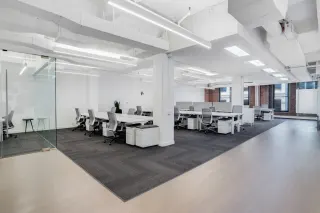 110 Greene Street [Partial 5th Floor] 3,750 sq ft $95/sq ft SoHo
 -
 6 Greene Street [Entire 2nd Floor] 4,900 sq ft $78/sq ft SoHo
 -
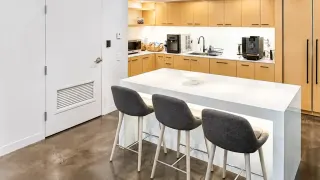 60 Charlton Street [Partial 8th Floor] 5,003 sq ft $120/sq ft SoHo
 -
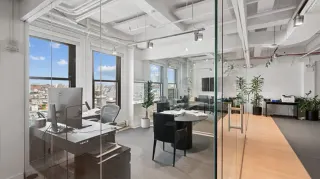 104-110 Greene Street [Partial 11th Floor] 5,375 sq ft $110/sq ft SoHo
 -
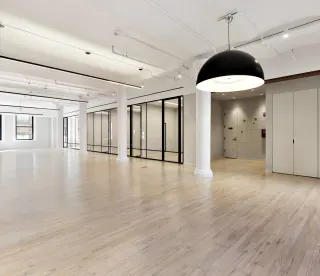 520 Broadway [Entire 10th Floor] 5,539 sq ft $125/sq ft SoHo
 -
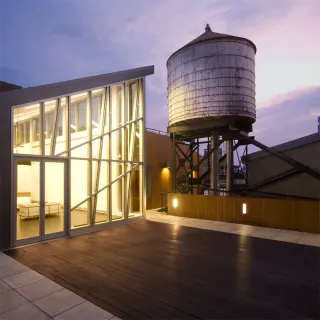 503-511 Broadway [Penthouse] 5,552 sq ft $125/sq ft SoHo
The team
The people you'll actually deal with
Tenant-side brokers, builders and operators, 300+ New York offices delivered between them.
Meet the whole team → William Janetschek
 Matthew DeRose
 Megan Gallagher
 Nicholas Hein
 Adam Justin
 David Greene
Talk to a broker
Availability moves daily, get today's version
The spaces above are current as of this week. Tell us team size and timing and a broker sends today's live list for this exact search, with all-in monthly costs, and anything new that has not been published yet.
- Same daya broker replies personally, no automated triage
- Tenant-onlyNomad never represents the landlord
- Open pricingrent and size published before you talk to anyone
- 300+ officesdelivered across 2M+ sq ft in New York
Or call 646-688-3158